Programme depth
Add a substantial temporary exhibition without creating every component internally.
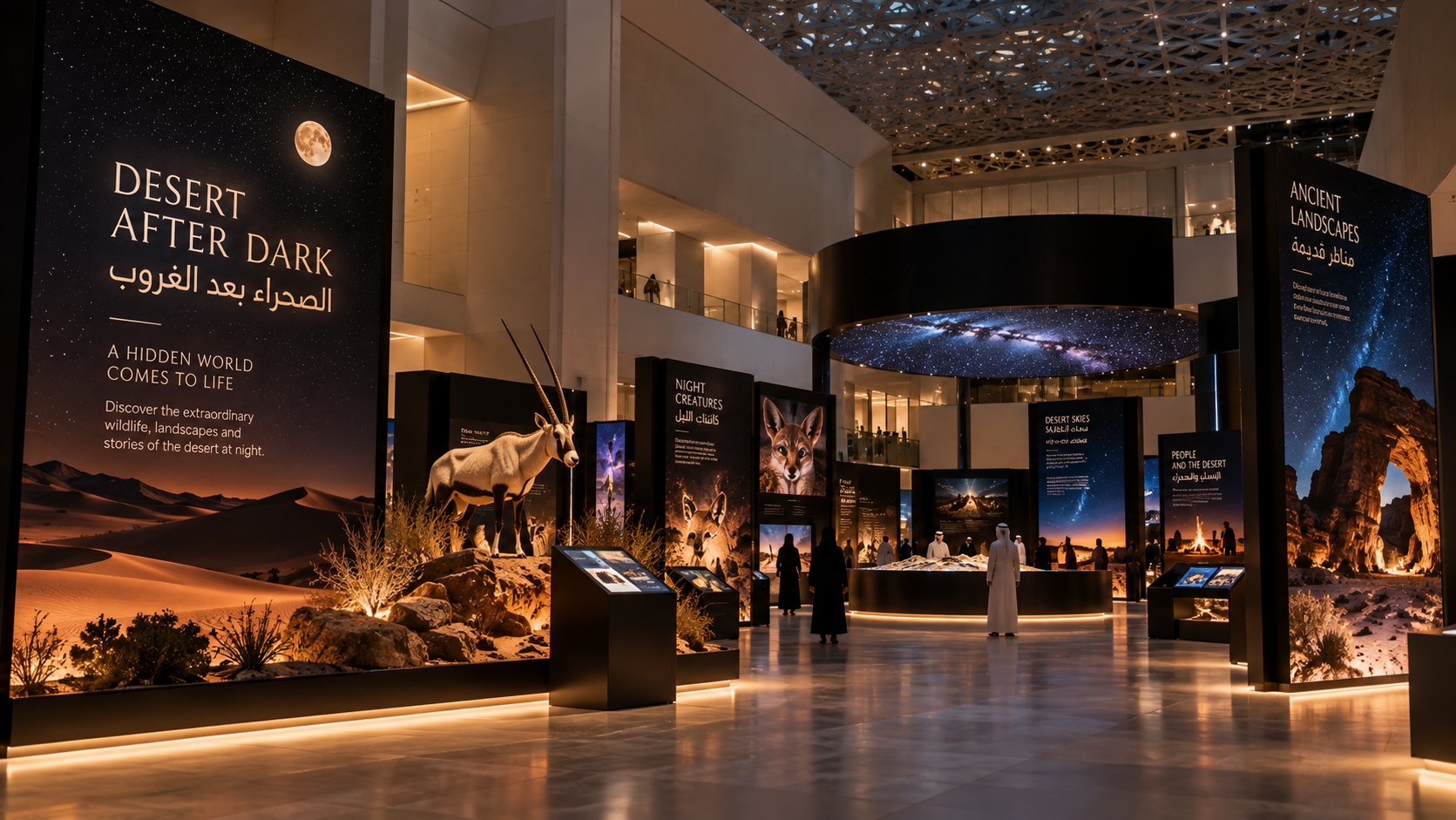
Museums & Cultural Institutions
Expand your temporary programme without starting from zero.
Designed for the venue
Temporary exhibitions ask institutions to balance curatorial quality, audience relevance, budgets, loans, technical delivery and a demanding calendar. A ready-developed touring exhibition can add depth and variety without transferring every production task to the host team.
Ready to Show Art works as an exhibition development and touring partner. We support museum curators and programming teams with adaptable content, clear documentation, regional localisation and coordinated delivery.
Programming partnership
The host institution retains its curatorial voice. Ready to Show brings a developed exhibition framework that can be reviewed, adapted and presented within that voice.
Add a substantial temporary exhibition without creating every component internally.
Review narrative, object selection and interpretation with a specialist touring partner.
Access selected licensed content with rights and presentation conditions coordinated.
Develop school, family and public-programme layers appropriate to the institution.
Use clear technical, graphic, handling and installation information for planning.
Configure the exhibition for the gallery while preserving its conceptual integrity.
Operational fit
Ready to Show does not replace museum curators. We provide an exhibition platform—content, rights, design and touring systems—that the institution can evaluate and integrate into its own programme.
Placement
Complete exhibitions for defined programme periods and changing-gallery calendars.
Compact visual formats that extend programming beyond the principal gallery.
Audience-led exhibitions with school, family and facilitated learning potential.
Regional or thematic chapters developed with a host institution where appropriate.
Formats
The format is selected after reviewing footprint, visitor flow, programme duration and operational requirements.
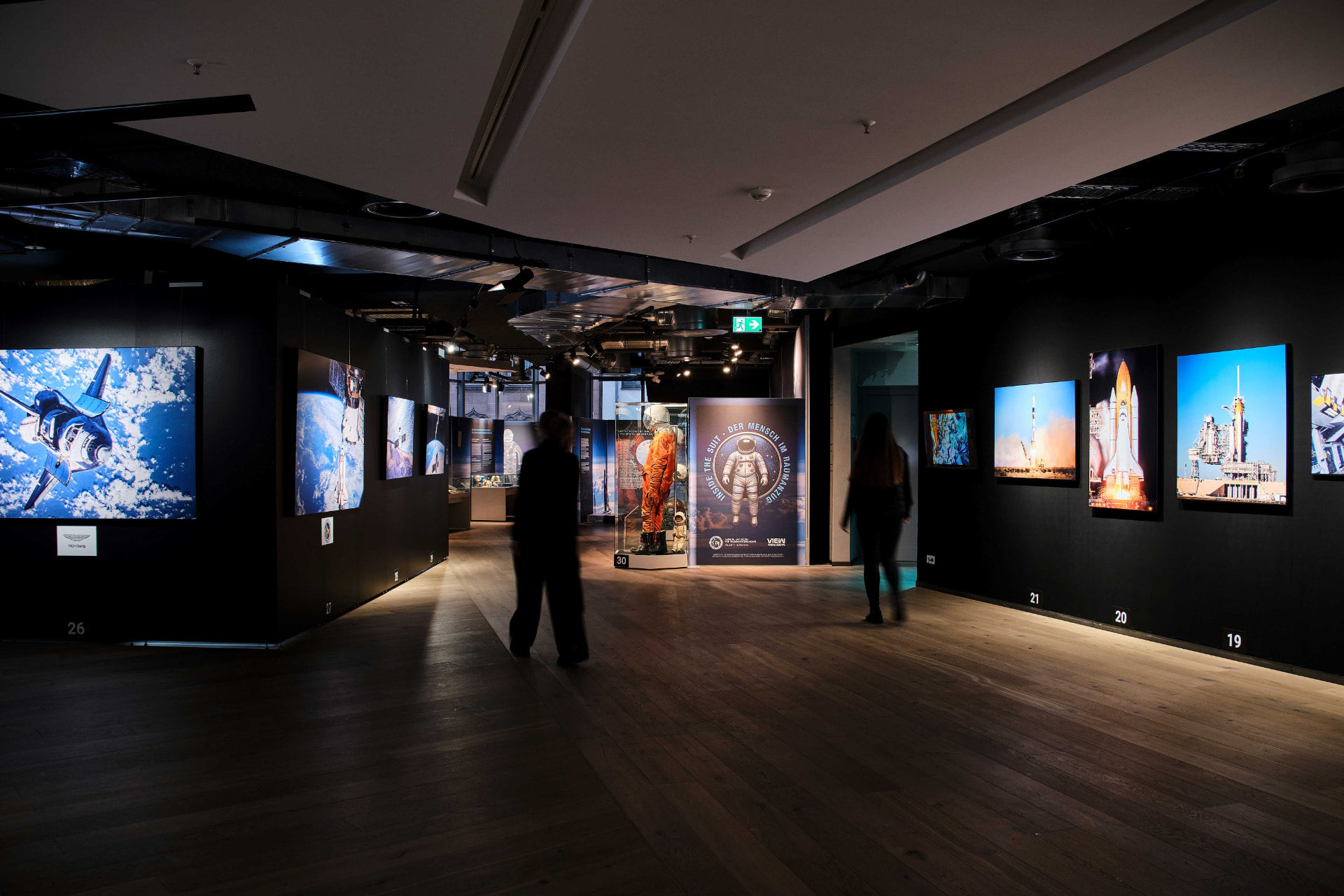
Foyers, project spaces and focused photography or media presentations.
A complete temporary-gallery exhibition with developed narrative and interpretation.
Larger exhibitions combining objects, media, scenography and participatory elements.
Exact footprint depends on the exhibition, venue survey and final configuration.
Why touring exhibitions work here
Temporary exhibitions keep museums relevant, bring back repeat visitors and support education programmes between permanent-collection changes.
The challenge we solve
Developing temporary exhibitions in-house takes years and significant budget. A touring exhibition offers researched, designed content that can be presented within a shorter planning cycle.
Museum presentations often run three to six months or more, agreed with the institution’s programme.
Installation follows the institution’s gallery procedures and schedule, with documentation provided in advance.
Yes, with existing gallery staff. Guided and education programmes can be added.
Content is written and reviewed in both languages as part of the exhibition, not translated at the end. Terminology and reading level can be adjusted for the intended audience.
Yes, within reason: layout, footprint and entrances, and in some cases a local chapter or additional content, subject to research, rights and schedule.
Yes. Sponsorship, education programmes and special events can be built into the presentation without compromising content quality, as agreed with the venue.
What Ready to Show manages
What your venue provides
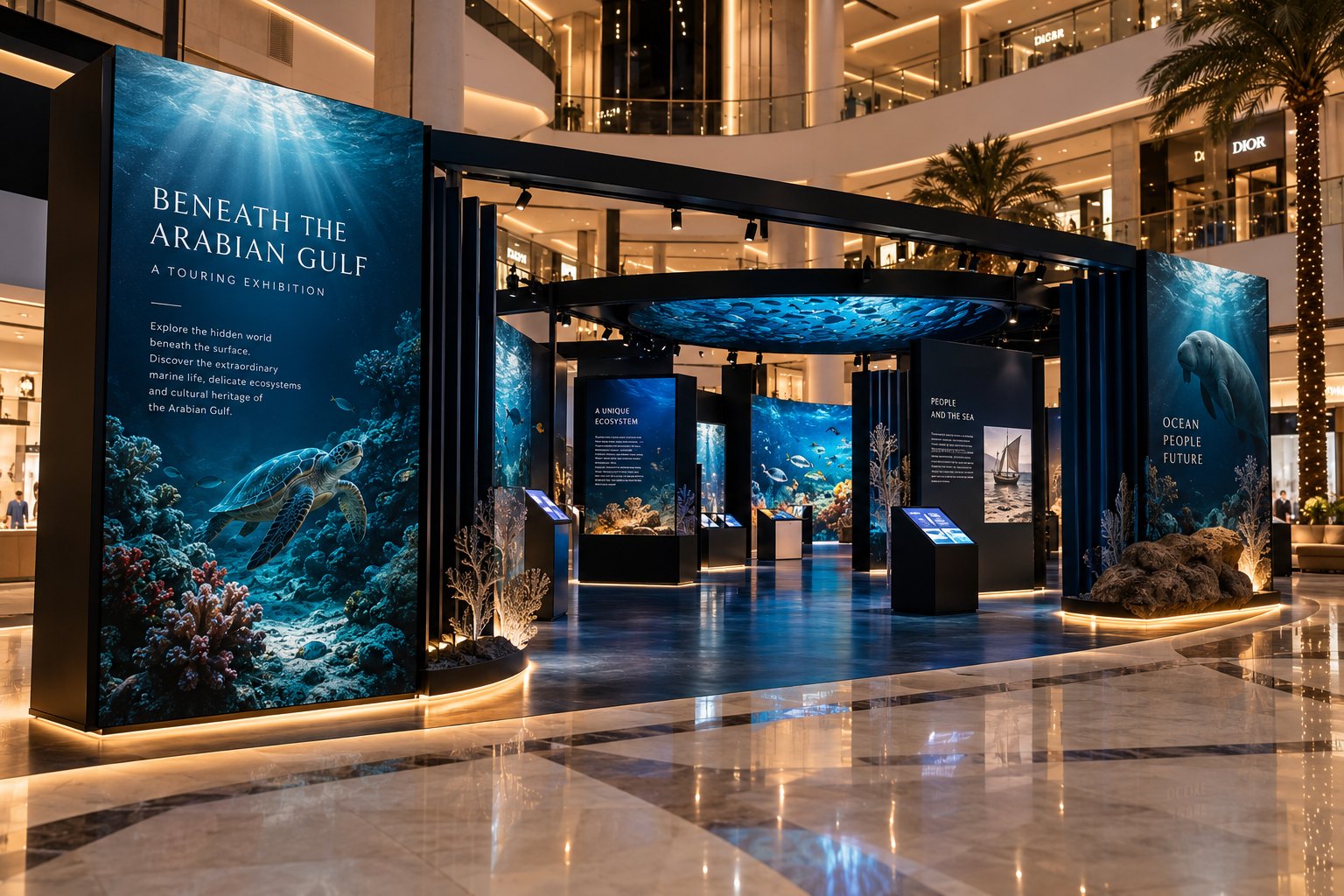
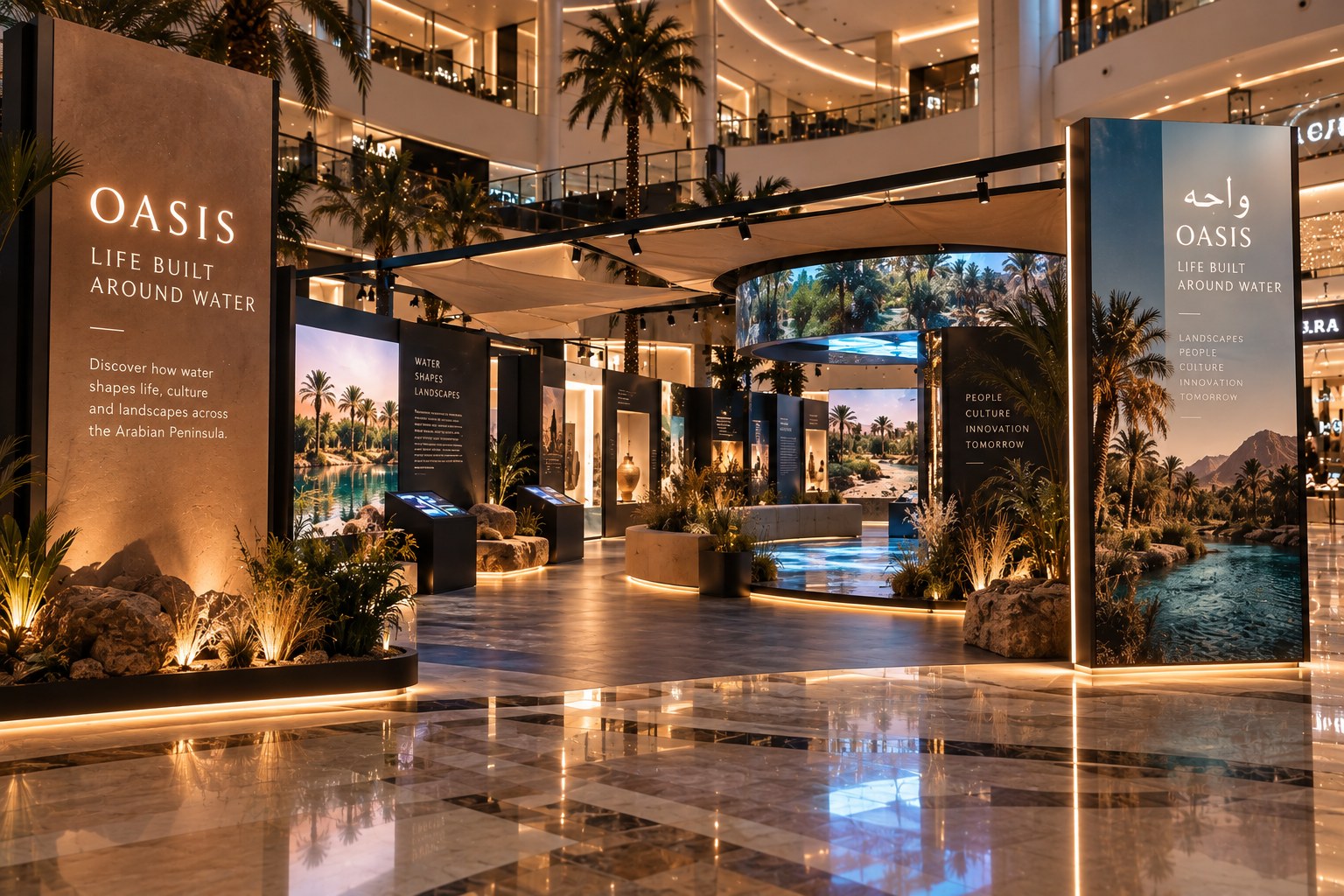
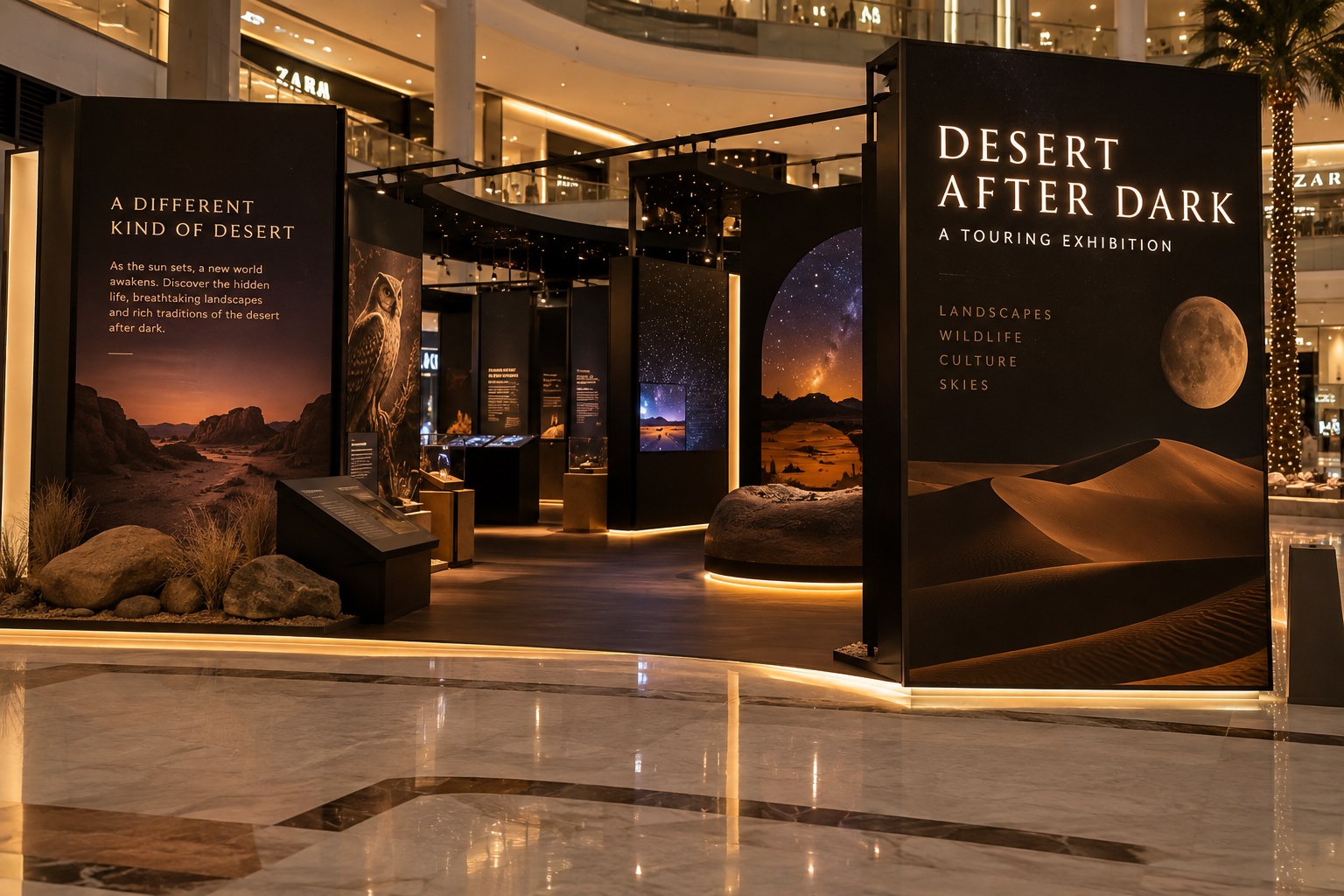
Selected exhibitions
Practical questions
The agreement defines presentation dates, territory, content rights, approved adaptations, fees, responsibilities and crediting. Requirements vary by exhibition and rights holder.
Yes. Adaptation is agreed through curatorial review, preserving the exhibition's integrity while responding to the host institution and audience.
Documentation may include plans, component schedules, graphic files, environmental or electrical requirements, installation methodology and operating guidance, depending on the exhibition.
Yes. School resources, family interpretation, talks or facilitated activities can be scoped with the institution.
Ready to Show coordinates the exhibition installation with the museum's registrar, facilities, conservation and technical teams as required.
Tell us about your gallery, audience, curatorial priorities and preferred exhibition period.
All venue solutions